It Starts the Same Way for Almost Everyone
One of the biggest surprises people run into after starting a local business has nothing to do with the business itself.
It's the website.
Whether you're a painter, dog groomer, accountant, coffee shop owner, photographer, or someone selling handmade products from your garage, there comes a point where you realize you need somewhere to send people. A Facebook page works for a while, Instagram gets you some attention, and maybe Google Business brings in a few calls, but eventually someone asks, "What's your website?"
That's usually when people discover that building one isn't nearly as simple as they expected.
When "Easy" Doesn't Feel Easy
There are plenty of website builders that promise you can have something online in an afternoon. On paper, that sounds perfect. Then you sign up.
You spend the first hour choosing between hundreds of templates that all start looking the same. Then you're asked to customize colors, fonts, layouts, spacing, animations, mobile settings, navigation menus, SEO settings, and dozens of things you didn't even know existed five minutes ago. You start moving sections around because something doesn't quite look right. Then another section breaks. Before long, you've spent an entire evening making tiny adjustments without actually getting any closer to publishing.
At some point, most people start blaming themselves.
Maybe you're just not creative enough. Maybe you're not good with technology. Maybe everyone else understands this stuff and you're the only one who's struggling.
The funny thing is, that's almost never true.
Most local business owners know how to solve problems for a living. They manage customers, schedules, invoices, employees, suppliers, and everything else that comes with running a business. They're perfectly capable people.
The problem is that many website builders mistake having more features for being easier to use. Instead of helping you make progress, they bury simple tasks behind endless menus, unfamiliar terminology, and settings that assume you already know how websites work. It's no wonder so many people walk away feeling frustrated.
We've always thought that's backwards.
Good software shouldn't make you feel like you're doing something wrong. It should quietly get out of your way. If you're constantly second-guessing yourself or searching YouTube just to figure out how to change a section on your homepage, the problem probably isn't you.
It's the software.
The Point Where Most People Start Looking Elsewhere
After enough frustration, something interesting happens.
People don't usually give up on the idea of having a website. They give up on the website builder they're using.
They close the tab and start searching again.
"What's the easiest website builder?"
"Best website builder for beginners."
"Cheap website builder for small business."
Most people assume they're looking for something cheaper because they don't want to spend much money. But if you read the reviews or talk to local business owners, you realize they're really looking for something that doesn't make building a website feel like another part-time job.
For most small businesses, "cheap" doesn't just mean affordable.
It means they don't have to spend weeks learning software.
It means they don't have to hire a designer just to finish what they started.
It means they can spend an evening building their website instead of spending three weekends fighting with it.
People aren't looking for the platform with the longest feature list.
They're looking for the one they can actually finish using.
Why We Built Siimple Differently
That's really the reason Siimple exists.
It didn't start with the idea of making the most powerful website builder. There are already enough of those.
The goal was to make one that someone could actually finish.
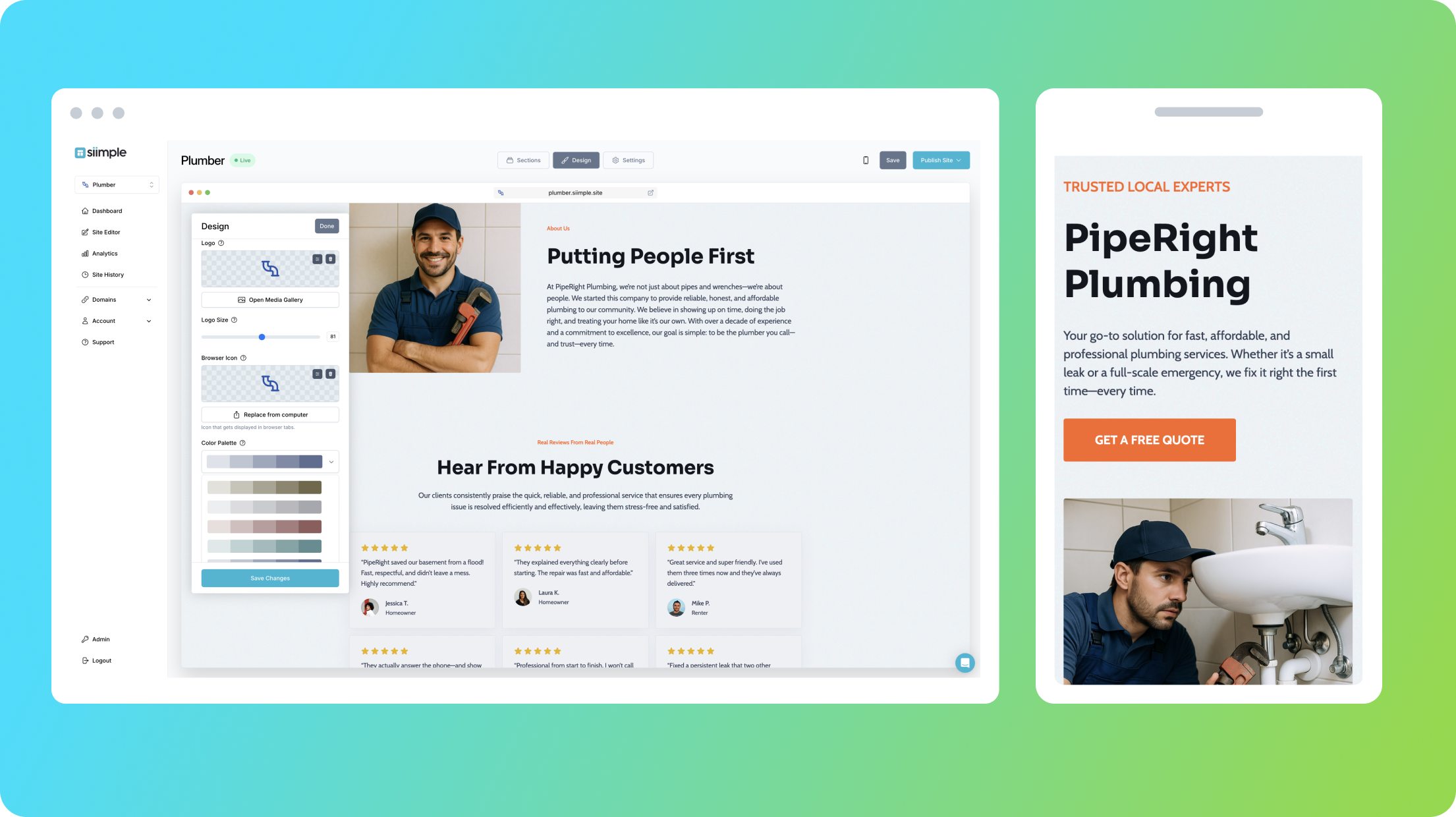
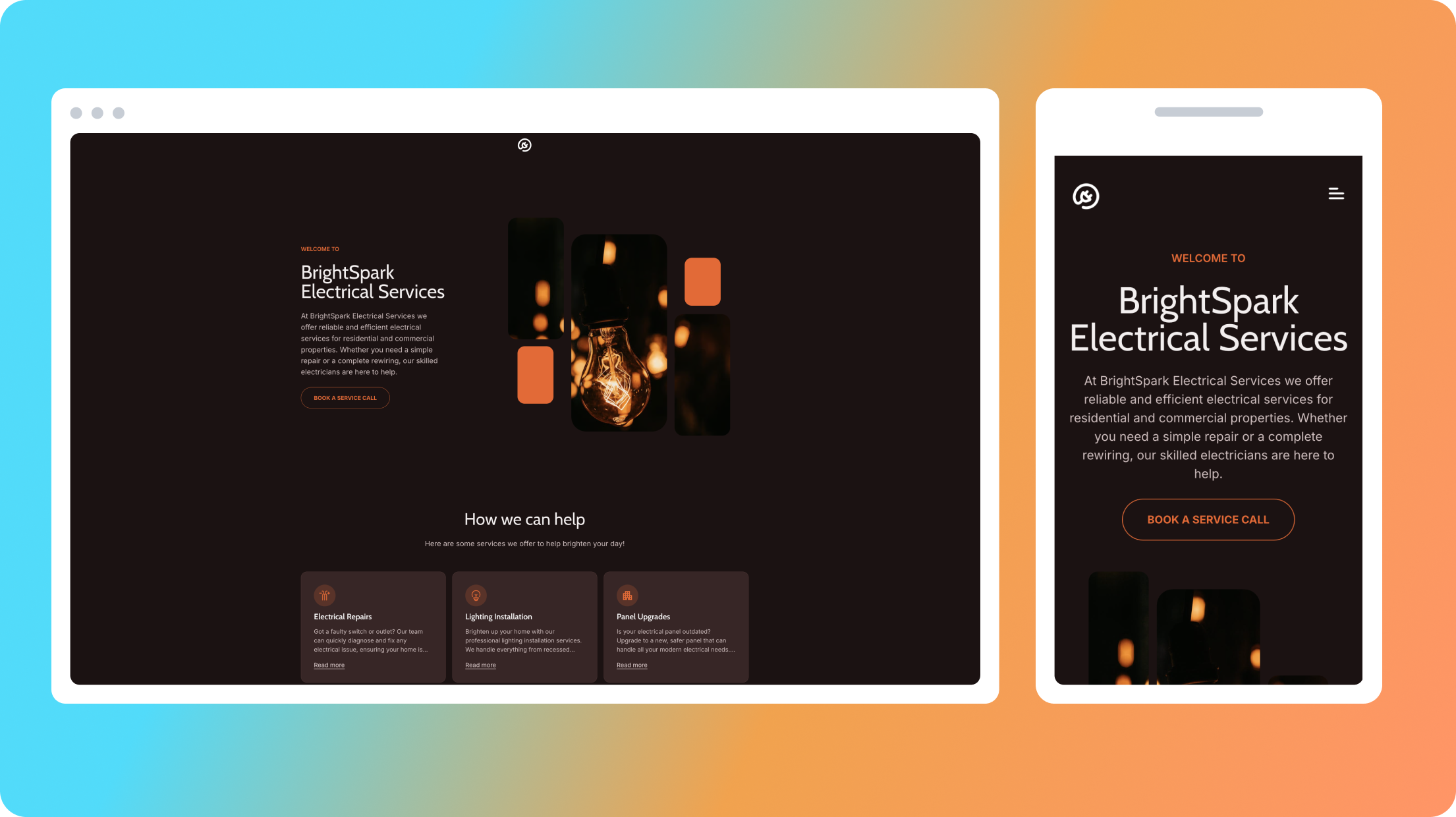
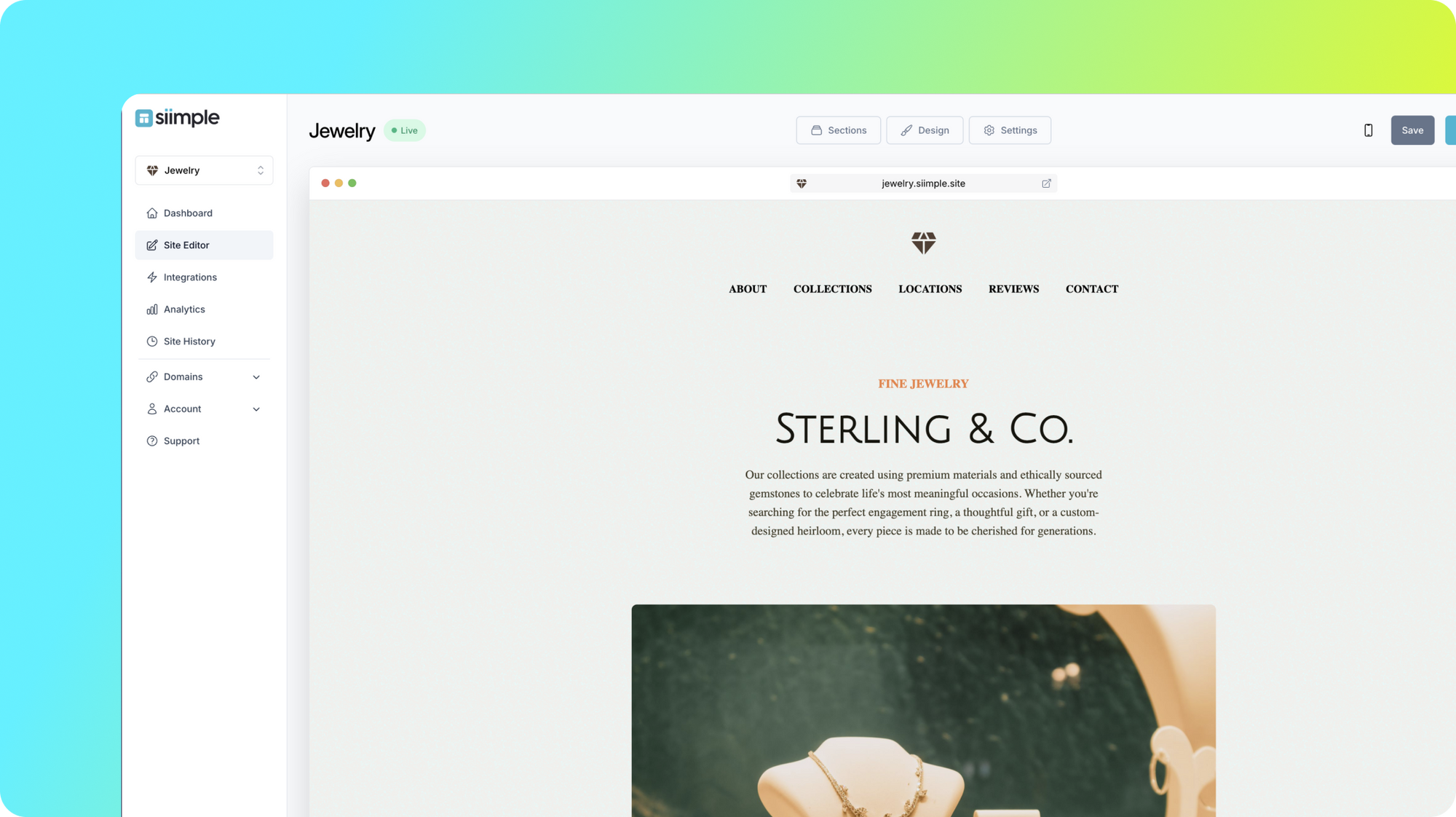
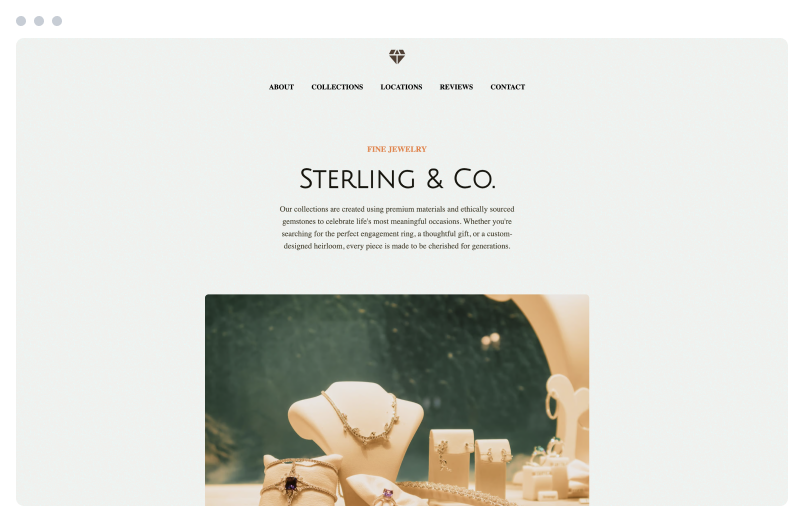
When you open Siimple, you're not expected to make hundreds of design decisions before you can even add your business name. Instead, you start with a clean foundation that's already been designed. From there, you're simply replacing the placeholder content with your own.
You upload your logo.
You change the headline so it describes your business.
You replace the stock photos with your own work, storefront, products, or team.
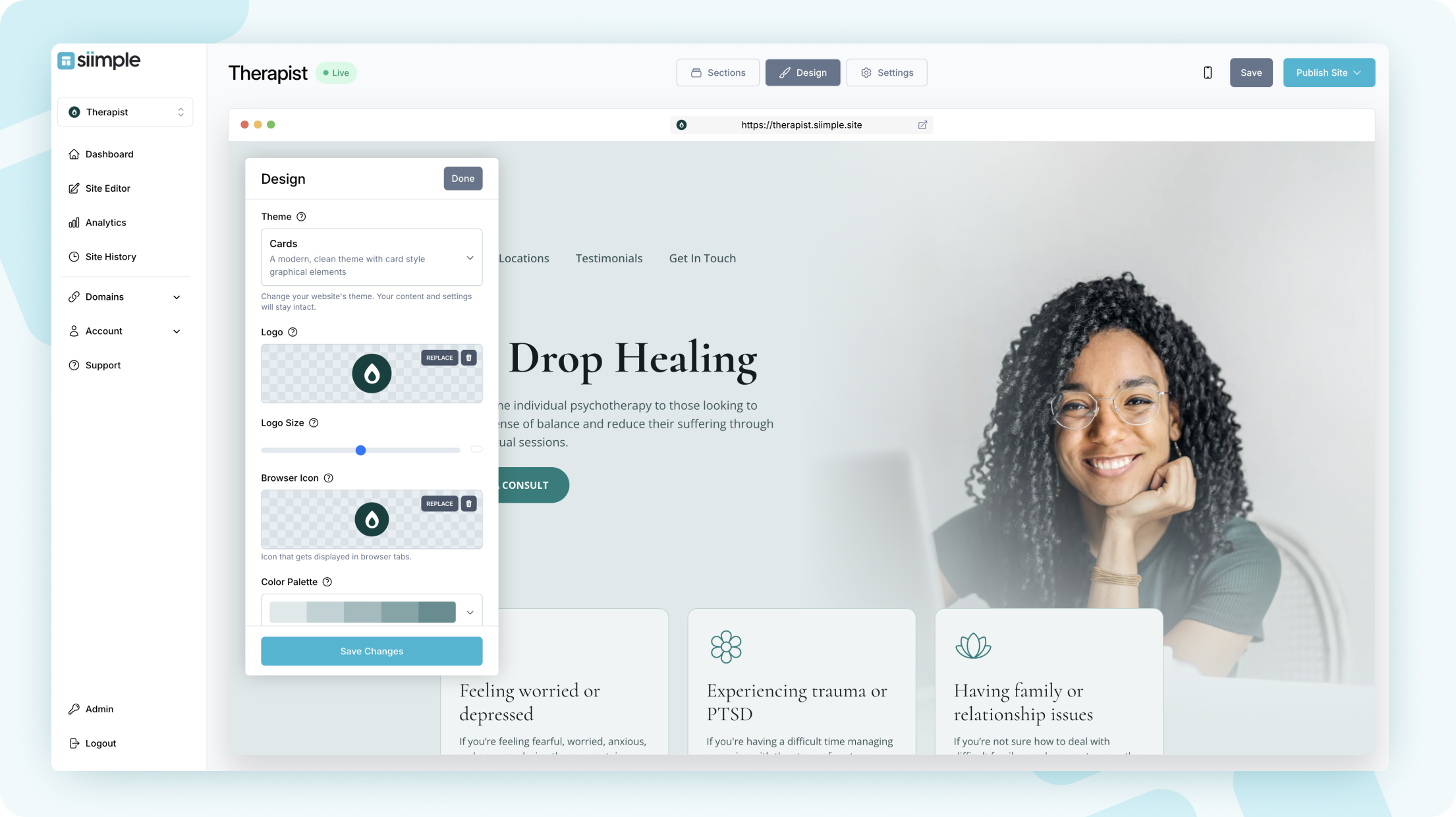
You add the services you offer, your contact information, your business hours, maybe a few testimonials, and before long you're looking at something that feels like your business instead of a generic template.
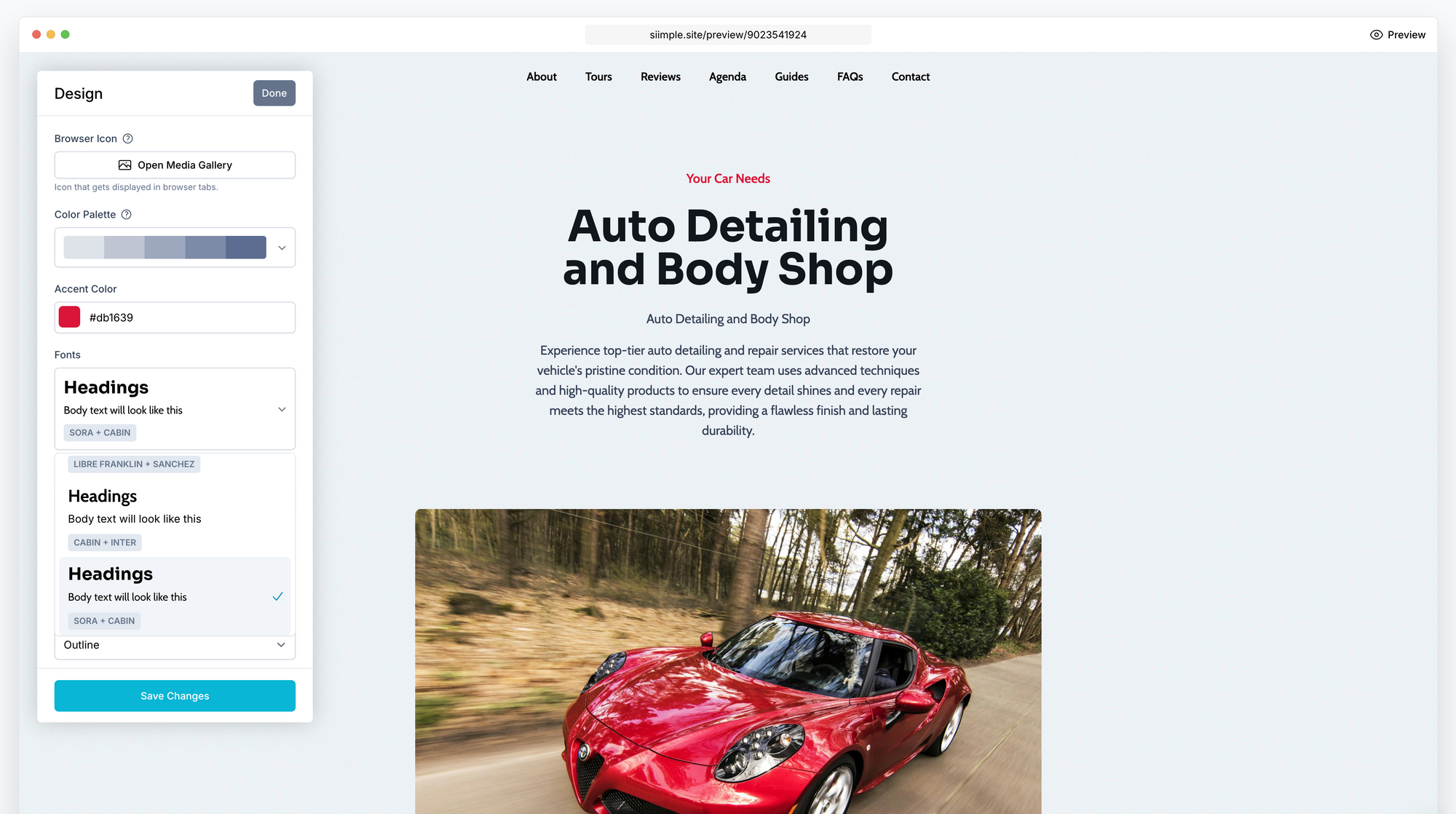
You don't spend hours wondering whether the button should be four pixels taller or if your font pairing is "right." Those decisions have already been made thoughtfully, so you can focus on the parts that only you can provide: your story, your work, and why someone should choose your business.
Somewhere Along the Way, It Stops Feeling Like Website Building
One of our favorite parts of watching people use Siimple is seeing the moment they stop thinking about the website builder itself.
Instead of wondering which font pairs best with another font, they're writing about why they started their business. Instead of rearranging layouts for the tenth time, they're uploading photos from jobs they've actually completed. Instead of fighting with settings, they're thinking about what a new customer would want to know before reaching out.
That's a completely different experience.
The software fades into the background, and the business becomes the focus again.
That's exactly how it should be.
A Website That Feels Like You Built It
If you ask most local business owners what they actually need from a website, the answer is surprisingly consistent. They want a place that looks professional, explains what they do, builds trust with new customers, and makes it easy for someone to get in touch.
It doesn't have to win design awards.
It just has to represent the business well.
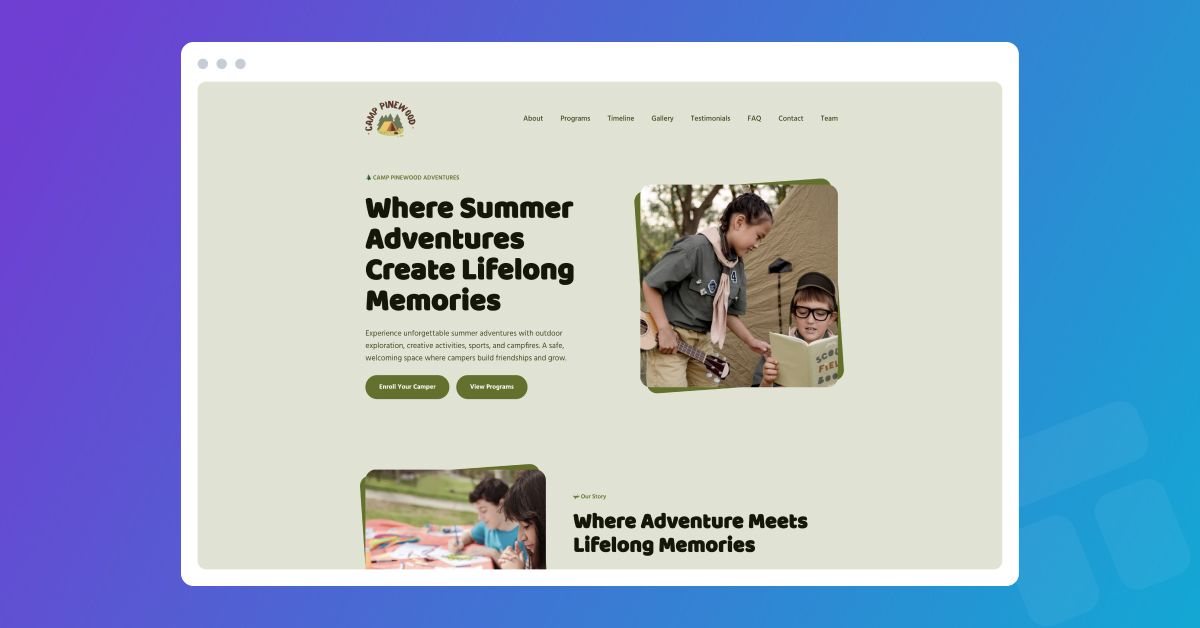
One of the things we enjoy seeing most is that Siimple gets used by people who never thought they'd build a website themselves. Some have never touched a website builder before. Others came over after trying larger platforms and realizing they were spending more time learning the software than building the site they originally set out to create.
By the time they're finished, they haven't just launched a website.
They've built it themselves.
There's something satisfying about that—not because building a website is an achievement on its own, but because it removes another barrier between having an idea and putting your business out into the world.
That's really what Siimple has always been about.
Making that first website feel less intimidating, less expensive, and much more achievable for the people who have a business to run and would rather spend their time doing that than becoming a web designer.